


How LED screens Work: What Happens Inside an LED Screen

LED screens look simple from the outside: bright visuals, sharp colours, and seamless motion. However, inside every screen is a complex system working together in perfect coordination. Understanding how LED screens work helps businesses make smarter decisions, avoid costly mistakes, and get better performance from their investment. At LED Express, we believe informed clients always achieve better results. So, let’s take a closer look at what happens inside an LED screen.
Pixels: The Building Blocks of Every Display
At the core of every LED screen are tiny units called pixels. Each pixel contains three light sources:
- Red
- Green
- Blue
By combining these colours in different intensities, the screen produces millions of colours. This process allows images, videos, and text to appear clear and vibrant.
The Control System: The Brain of the Screen
Next, every LED screen relies on a control system. This system:
- Sends content to the display
- Controls brightness and colour
- Determines when and how visuals change
Without it, the screen would not function or display content correctly.
Receiving Cards: The Signal Processors
Inside the screen, receiving cards act as translators.
They:
- Receive signals from the control system
- Break the data into smaller instructions
- Distribute signals across the screen
As a result, each section of the screen displays the correct part of the content.
LED Modules: The Structure of the Screen
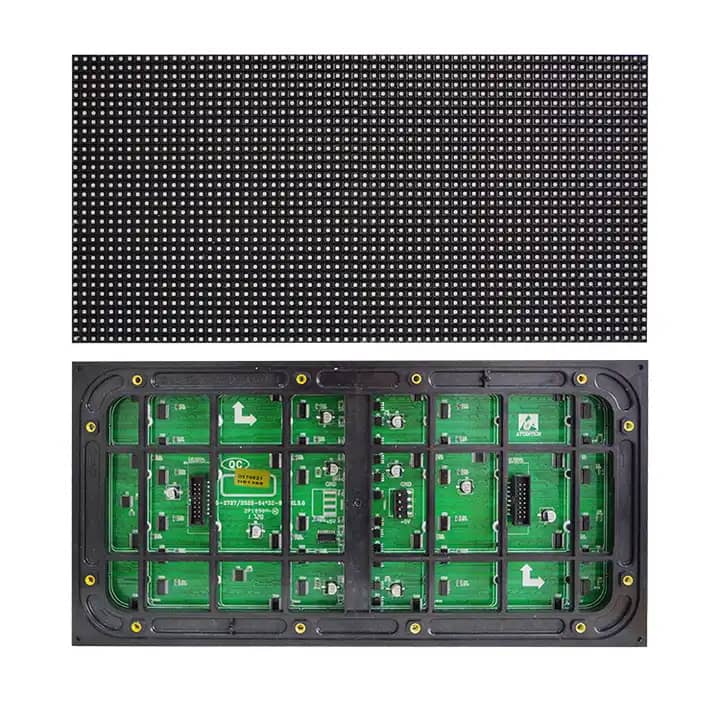
LED screens are built in sections called modules. Each module:
- Contains multiple pixels
- Connects with other modules
- Forms part of the full display
This modular structure makes it easier to maintain and replace specific sections when needed.
Power Supply: Keeping the Screen Stable
LED screens require consistent and stable power. Internal power units:
- Distribute electricity evenly
- Protect components from voltage issues
- Ensure smooth performance
When power is unstable, screens may flicker or experience damage.
Cooling System: Managing Heat
As LED screens operate, they generate heat. To maintain performance:
- Cooling systems regulate temperature
- Ventilation ensures airflow
- Components are designed to handle heat
Proper cooling extends the lifespan of the screen and prevents performance issues.
Real-Time Display: Bringing Content to Life
Finally, all components work together in real time.
The control system sends data → Receiving cards process it → Pixels light up instantly
This coordination allows content to appear smoothly, clearly, and without delay.
Why This Matters for Businesses
Understanding how LED screens work helps businesses:
- Choose higher-quality displays
- Plan better installations
- Maintain screens effectively
- Avoid unnecessary costs
In short, knowledge leads to better investment decisions.
Conclusion
An LED screen is more than just a display; it is a system of interconnected components working together to deliver powerful visual communication. The better these components function, the better the results. At LED Express, we go beyond installation. We provide expert guidance, quality solutions, and long-term support. Contact LED Express today and get the right LED solution for your business.
